

Menu
Close
- Solutions
- Products
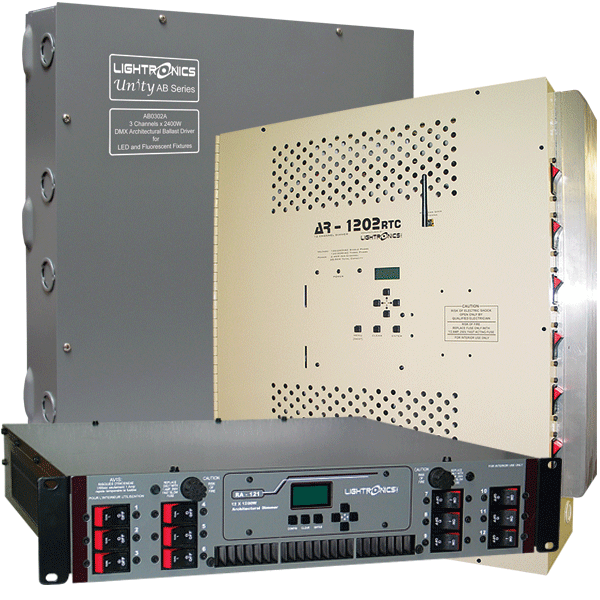
- Architectural Dimmers and LED Driver Controllers
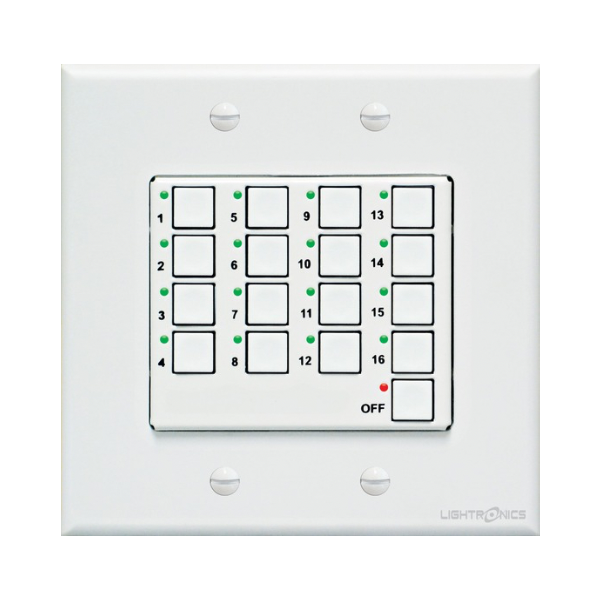
- Architectural Lighting & Programmable DMX Remote Stations
- DMX Opto-isolation and Distribution
- Stage Lighting Accessories & Parts
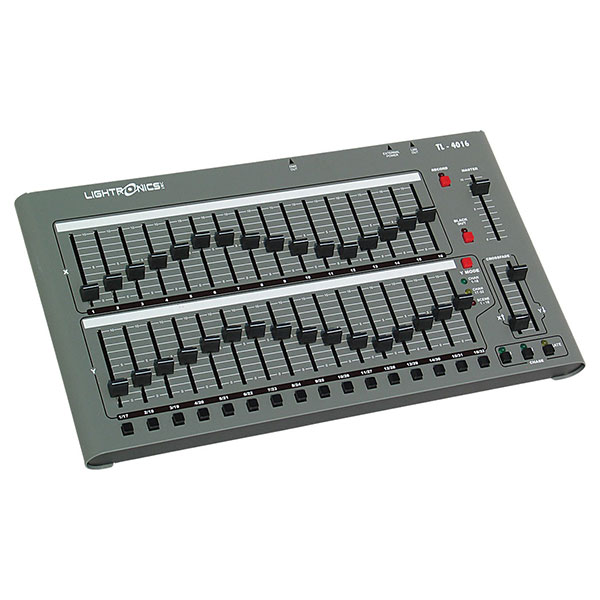
- Lighting Consoles
- Lighting Converters & Translators
- Stage Lighting Fixtures
- Portable Dimming
- Wireless DMX Solutions
- Dealer Locator
- Resources
Support & Warranty
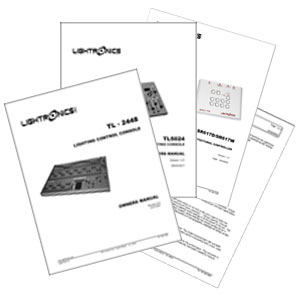
Access our full support library for setup, troubleshooting, system integration, cross-reference for discontinued competitor products, get warranty information, and more!
Project Planner
Don’t know where to get started? Come over to our exclusive Project Planner to get recommendations for Lightronics solutions specific to your needs!
Events
Looking to engage with the Lightronics team face to face or connect with one of our approved dealers at a local event? Take a look at our calendar!
About Us
Lightronics has been manufacturing reliable lighting solutions for over 40 years. Learn more about our History, Values, and Employment Opportunities here!
- Contact


Close
- Solutions
- Products
- Architectural Dimmers and LED Driver Controllers
- Architectural Lighting & Programmable DMX Remote Stations
- DMX Opto-isolation and Distribution
- Stage Lighting Accessories & Parts
- Lighting Consoles
- Lighting Converters & Translators
- Stage Lighting Fixtures
- Portable Dimming
- Wireless DMX Solutions
- Dealer Locator
- Resources
Support & Warranty
Access our full support library for setup, troubleshooting, system integration, cross-reference for discontinued competitor products, get warranty information, and more!
Project Planner
Don’t know where to get started? Come over to our exclusive Project Planner to get recommendations for Lightronics solutions specific to your needs!
Events
Looking to engage with the Lightronics team face to face or connect with one of our approved dealers at a local event? Take a look at our calendar!
About Us
Lightronics has been manufacturing reliable lighting solutions for over 40 years. Learn more about our History, Values, and Employment Opportunities here!
- Contact